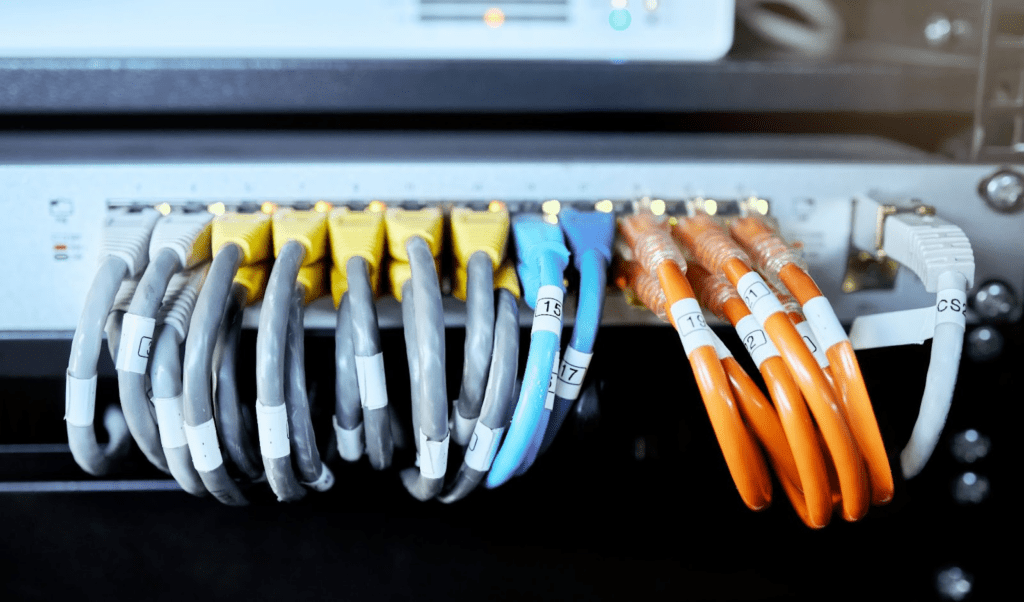
Fiber optics are the new thing in the networking industry, and they allow for much more speed compared to traditional cabling. Yet, for businesses to stay on course with their sustainable growth goals, they prize fiber optic infrastructure environmental impact knowledge. Performance is paramount, but so too are the inherent materials and energy usage in installation that converged cabling users must take into consideration as they plan their infrastructure. Before you ask your structured cable installers to install fiber optics, it is important to learn about its environmental impact.

Material Impact
The data is transmitted by light through glass or plastic fibers in fiber optics. This helps in cutting the use of copper, but the production process still requires raw materials such as silica and certain chemicals.
- Silica extraction: Silica, which is a raw material used in manufacturing fiber optic strands, may be obtained by mining quartz. There is plenty of silica to be had, but mining the stuff takes a lot of energy and can have unintended consequences on regional ecosystems.
- Plastic Coatings: The jacket on the outside of many fiber optic cables is made of plastic. So while not as awful as PVC in copper cables, plastic use should still be minimized to waste.
Compared to the mediums of traditional copper cabling, fiber optics solve this underlying environmental strain by ditching copper mining forever, but it must be noted that even the materials in production from fiber optics carry with them some environmental costs. The cable also has longer life better fiber-optic cables that may not need to be frequently replaced, which could potentially contribute to an even lower footprint in the long run.
Energy Consumption
It is no exaggeration to say that fiber optic networks, compared to copper systems of the old days, can reduce energy consumption by leaps and bounds:
- Less Power Consumption: Fiber optics use light signals which degrade much less than electrical signals as in copper cables so it requires less energy to send data.
- Fiber optics require less cooling: Fiber optics do not generate as much heat either, which means that fiber optics use up less electricity and require fewer energy-intensive cooling systems in data centers and other large installations.
- Reduce Fiber System: Fiber optics can reduce the overall level of power consumption, which makes it a more sustainable option for both operational costs and environmental consequences (better if the business is to maintain a large-scale network).
Sustainable Options
The good news is that fiber optics can provide many green choices to installers of structured cabling and other fiber optic cable contractors:
- Green Cable Jackets: You can find cables that have a biodegradable or recyclable outer jacket to reduce plastic waste built by manufacturers.
- Low-power transmitters: The latest fiber-optic transceiver operators may also reduce the power required to transmit data.
- Increased Longevity: Most fiber optic cables have longer life spans than copper cables, which means that they need to be replaced less often due to being tossed away.

Recycling And Disposal
Fundamentally, even as fiber optic infrastructure solutions installation expands and evolves, recycling or at least responsible disposal never goes out of style:
- Old Fiber Optics has to be recycled: Companies need to implement waste by way of establishing recycling programs for old fiber optics cables.
- Recycling of Glass Fiber: It is very difficult to recycle the s fiber but by using some techniques, and an appropriate infrastructure. The outer plastic sheaths are recyclable as well, reducing the ecological footprint.
Having companies ally with fiber optics cable contractors who prioritize recycling can have a positive impact on the sustainability of networking.
Conclusion
One of these sustainable combinations is when fiber optic cabling and green networking intersect. By employing a high-capacity fiber optic infrastructure solution installation, businesses can harness improved performance and simultaneously lower energy consumption due to the significant transfer efficiency of light-based data transmission. As the demand for high-speed connectivity rapidly increases, it is important to make careful choices when it comes to materials and energy use as well as recycling programs. With the industry changing, sustainable alternatives to network management will be crucial in satisfying both business requirements as well and environmental targets.
Choosing eco-friendly materials, lowering electrical billing, and using responsible disposal practices all help to ensure that enterprises grow within their networks, rather than at the expense of them.
 Verified Google Reviews